
Electric Vehicle Charging Station Installation
EV Charger Installer Near Me
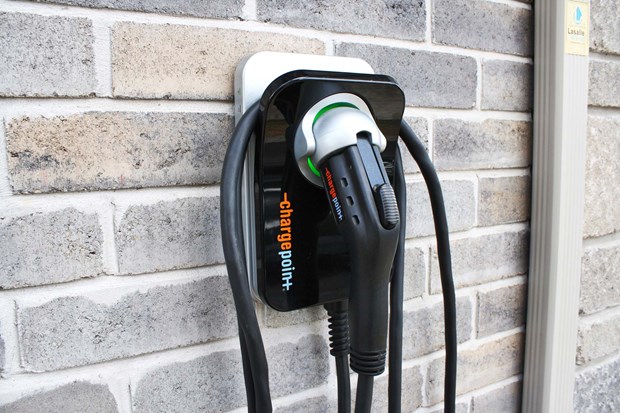
Ampacity Electric is an expert EV charger installer serving northern New Jersey. We’ve built this page as a reference to help you on your journey to your home charging station installation. If you’d prefer, you can simply contact us directly and we could talk it out over the phone or text message.
Power Assessment
Before every installation, Ampacity Electric will complete a load calculation of your electrical system to ensure a safe and professional installation. We often get called by homeowners who tell us they would like to have their EV charger installed but that they are going to need a larger panel first. Sometimes this is just what they assessed on their own, other times it’s what other electrical contractors have told them. But the truth is that most of the time they don’t need to upgrade their panel.
Electric usage in most of the houses in our area is actually very low since natural gas takes care of most of the energy needs. The electrical panel in most houses can easily handle a Level 2 EV charger, also called an EVSE (Electrical Vehicle Supply Equipment). There’s also the option to turn down the charge rate output a little bit, so that the charger fits into the existing electrical service’s capacity. That can provide safe and solid charging without spending thousands of dollars on a panel and electrical service upgrade. This is especially important in townhouse and condo communities where you don’t have the ability to upgrade the electrical service coming into your unit.
Where should I put my charging station?
That entirely depends on the layout of your home. The EV Charger installation is often on your garage wall near where you park your car. We can also install your car charger on the side of the house so that an electric vehicle can be plugged in while parked in the driveway. All Level 2 EV chargers are built to withstand the elements and rated to be installed outside.
Townhouse and condo associations generally do not allow you to install a charger on the outside of the building, so we will install the charger on the inside garage wall near the overhead door. This will allow you to run the cord through the doorway to the car parked in the driveway.
NJ PSEG EV Charger Installation Rebate Program
The state of New Jersey is currently offering a $166 million Electric Vehicle (EV) Rebate Program to build New Jersey’s EV charging infrastructure. Homeowners in PSE&G, JCP&L, and other NJ power company territories are eligible for a rebate of the EV Charger installation cost up to $1,500.
90% of our installations are under this amount, which means you pay nothing. This incentive rebate not only covers the electrical material and labor, but also the warranty, permit fees, and the paperwork that the power company requires. The rebate process is very easy. As a PSE&G EV Trade Ally contractor, we guide you through it and if you have any questions, we are always there to help.
Are you Certified by Tesla, ChargePoint, Qmerit, etc?
No! We are NOT a Tesla Certified Installer, Certified ChargePoint Installer, or Qmerit Certified Solutions Partner… And for good reason. We are a licensed, insured, reputable, and legitimate electrical contractor. We have installed hundreds of car chargers- every brand, every model, every configuration, and every type of installation.
We’ve been contacted by every car charger manufacturer or installation referral company as they attempt to recruit us into their service. Their services provide no benefit to you as the customer, only a parasitic drain on your wallet. These companies take a very large piece of the pie, which causes their certified contractors to have to charge significantly more money for installations. Electric vehicle owners call this the “Tesla Tax”.
And the interesting note is that every electrical contractor in our service area that is “certified” has installed far fewer car chargers than we have. As of our last count in November 2025, we have installed over 1200 EV chargers for happy customers. Signing up with a manufacturer or referral company to become “certified“ doesn’t guarantee training, experience, knowledge, or capability. The only thing it guarantees is a much higher cost to the customer. Why pay the middleman, especially when that middleman is a billion dollar corporation?
Types of EV Chargers
-A 50 Amp NEMA 14-50 or 6-50 outlet will allow you to charge your car using the 50 Amp Mobile Connector cord that comes with many new EVs.
-Level 1 Electric Vehicle Charging Stations are the small mobile chargers that come with the car when you purchase it at the dealership. They require a dedicated 120 volt circuit and the charging times can take up to 30 hours to fully charge your electric vehicle. These can be handy if you don’t drive very much each day or have a plug-in hybrid electric vehicle (PHEV).
-Level 2 Electric Vehicle Charging Stations (EVSE) will charge your vehicle much faster. A Level 2 residential home charging station, also called Electric Vehicle Supply Equipment (EVSE), is powered by a 240 volt dedicated circuit from your electric panel. They also work at a much higher amperage, generally 32-48 Amps. Charging times will vary from 2 to 8 hours, depending on which Electric Vehicle and type of charger you use. An example of common Level 2 EV Charging Stations that we install:
- ChargePoint Home Flex
- Tesla Wall Connector (NACS Connector)
- Tesla Universal Wall Connector (NACS & J1772 Connector)
- Wallbox Pulsar Plus
- Emporia Pro
- Rivian Wall Charger
- GM PowerUp 2
- GM Energy PowerShift Charger
- Autel MaxiCharger
- EVIQO Evipower
- Grizzl-E Classic/Ultimate
EV Charger GFCI Protection
GFCI protection is required by code when plugging an EV charger into a receptacle, also commonly called an outlet. An EV charging station itself provides GFCI protection as one of its main function. If you plug an EV charger into an outlet that is also GFCI protected, it could cause nuisance tripping. That means you might wake up in the morning to an uncharged car.
We are happy to offer any type of EV charger installation, but we recommend a hardwired charger. Hardwiring is a more streamlined method of connecting an EV charger to your home’s electrical system and allows a higher output, leading to faster charging. By forgoing an outlet and hardwiring the charger directly, GFCI protection is not needed. Why? Because when it is hardwired there are no exposed metal prongs that someone could touch while plugging it in.
Visit our Contact page for information on how to receive a fast and hassle-free written quote.